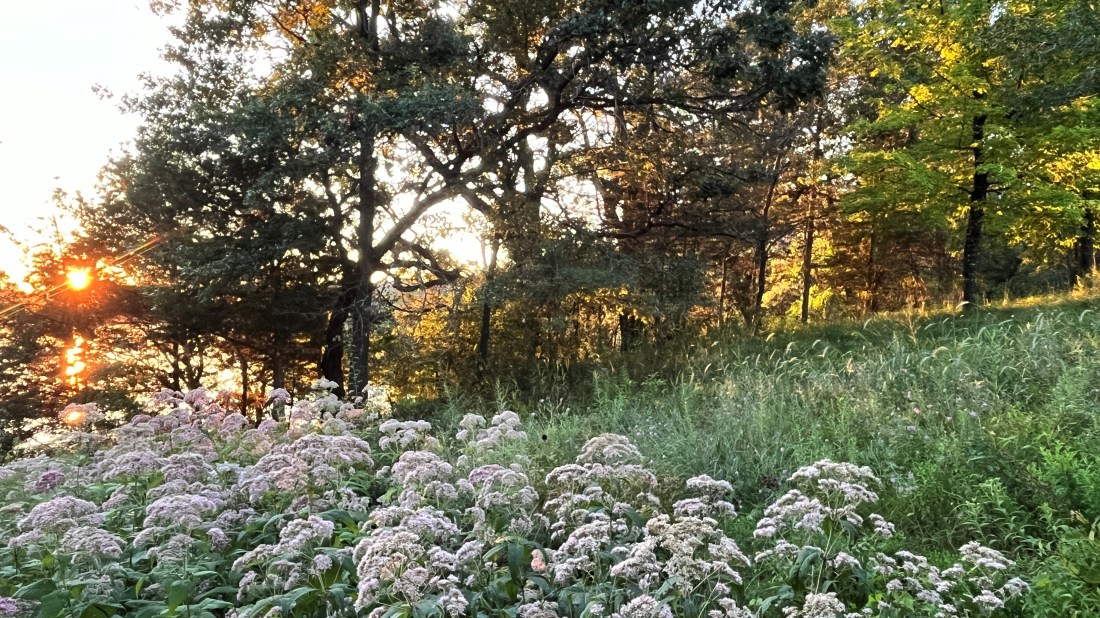
It takes forty years, from the moment a maple seed helicopter spirals to the ground and takes root in the soft brown earth, before a person can stand at the side of a now-mature maple tree, hammer in a spile, and collect sap to boil down into sticky sweet syrup. If you only have six years to spare, you can plant a plum pit or an apple seed and nurture it with love and water until it finally grows large enough to bear fruit and return the favor. For a garden full of native blooms with butterflies, birds, and bees, plant an assortment of flowers and grasses, banish the creeping weeds, and then wait three short years for the plants to fill in and offer their gifts to the world.

To plant a tree or a garden is an act of hope. We hope that the snow will melt and the sun will return. We hope that that neighborhood deer and rabbits will find enough food to eat, though not so much that our garden fails to grow. We hope that the earth will keep spinning, and the rain will fall, that there will be a warm home to live in, and hands to do the work. It’s a small act of courage in an uncertain world, though really, when you think about it, not so small at all.

It is always the right time to plant a garden, and especially if you can use your garden to restore natural habitat for birds and wildlife. Worldwide, more than 40% of insect species are declining and a third are endangered (Biological Conservation, 2019). Of the 240 species of birds that call the St. Croix Valley home, 60 are considered species of “greatest conservation need.” Less than 2% of the original prairies in Minnesota remain. And yet, with a few small plants and a willingness to work, we can rebuild habitat corridors and bring life back to our landscape.

The good news is that we don’t have to do this work alone. In the coming month, there are more than a dozen free workshops happening online and in-person to provide instruction on everything from backyard composting, to planting a prairie, to caring for an aging raingarden. Attending a workshop is a great way to build confidence and meet other people in your area who are planning similar planting projects. Later, in April and May, there will also be numerous opportunities to plant trees and native plants at local parks during volunteer events.
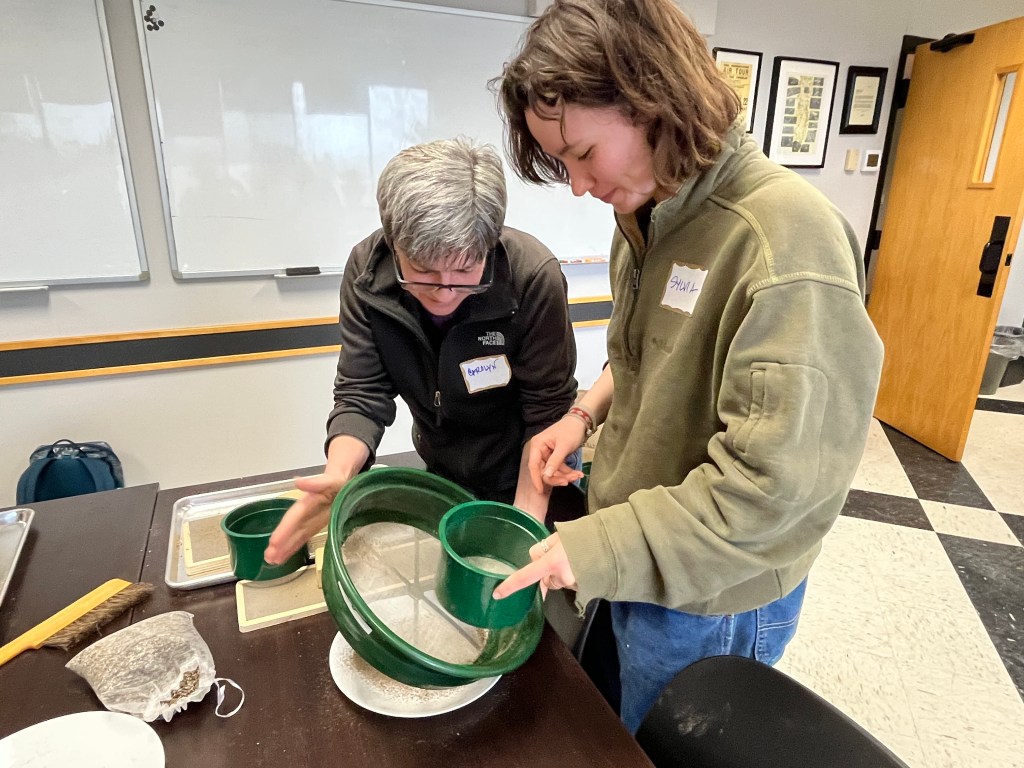

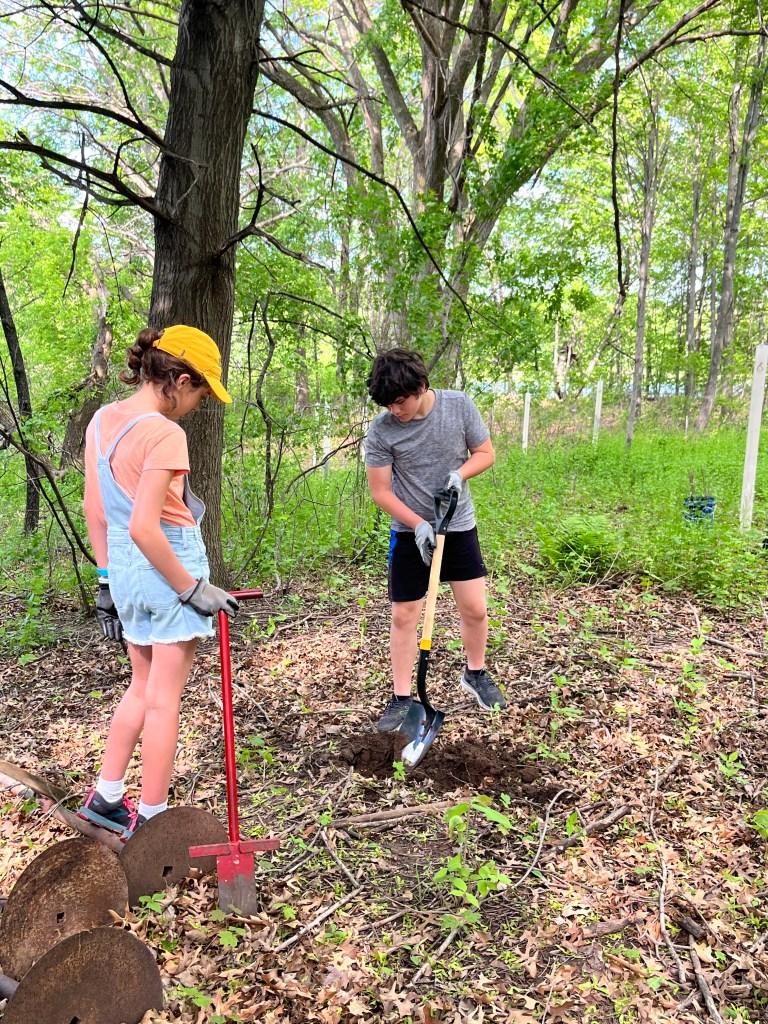
In addition, Soil & Water Conservation Districts (SWCDs) and watershed organizations have numerous programs in place to help willing landowners transform farm fields and turfgrass back into living ecosystems. In Washington County, the conservation district offers free site visits to provide advice and also sells bundles of bare-root trees and native seeds for planting projects. In addition, there are special funds available through a “Lawns to Legumes” Pollinator Pathways grant to help people in St. Paul Park, Newport, Afton, the Battle Creek subwatershed of Oakdale, and the Croixwood neighborhood of Stillwater plant flowering native trees and pollinator gardens. In Chisago, Isanti and Ramsey Counties, SWCD staff can also help to plan shoreline planting projects and large-scale habitat restorations.
Meanwhile, local watershed organizations offer stewardship grants of $500 or more to encourage raingardens, shoreline plantings, and other water-friendly planting projects that help to protect our lakes, rivers and streams.
If you’re ready to take the first step and sign-up for an upcoming workshop, head to mnwcd.org/events to find info and registration links. The website also contains a site visit sign-up and online ordering for the spring tree and native seed sale. A few of the upcoming events are listed below.
Pollinators
- Mon., March 10 (6:30-7:30pm) Pollinator Plants. ($19) Virtual and at Forest Lake Education Center. Taught by Adam Hjelm, Comfort Lake – Forest Lake Watershed District. Register here.
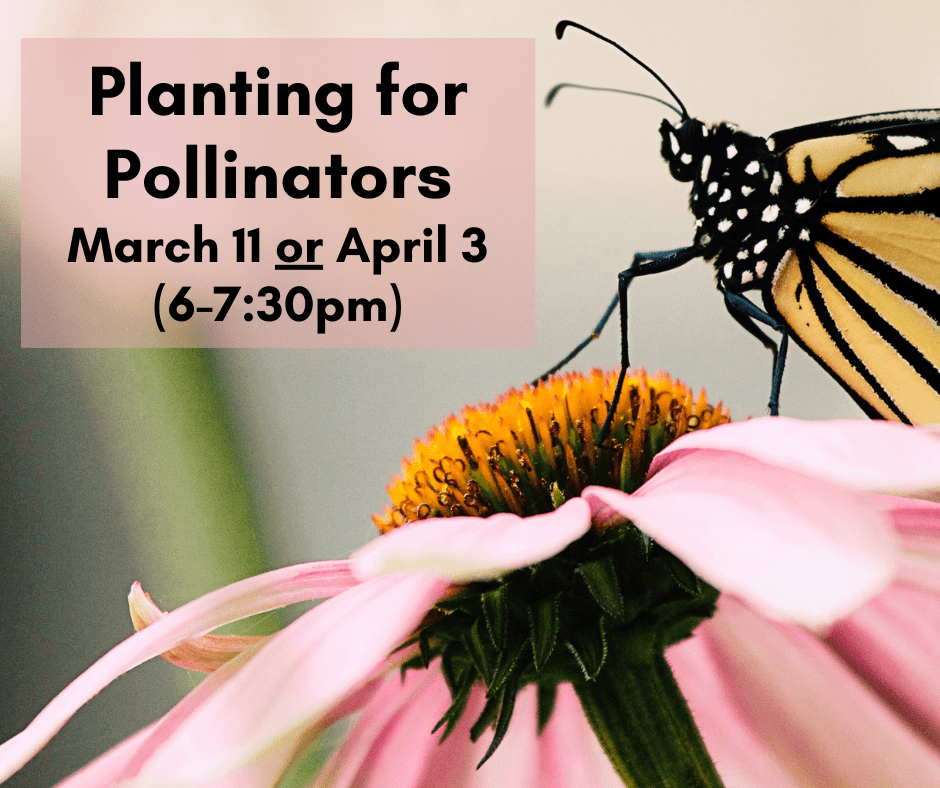
- Tue., March 11 or Thu., Apr 3 (6-7:30pm): Planting for Pollinators webinars. (Free) Bring on the butterflies! Your yard can help to support songbirds, pollinators, and wildlife – AND look beautiful! During this workshop we’ll talk about what to plant, how to get started, where to buy native plants in Minnesota and western Wisconsin, and where to find additional support for planting projects. Learn about native gardens, bee lawns, flowering trees and shrubs, and prairies. Taught by Lori Maxfield & Angie Hong, EMWREP. Register for April 3 or Register for March 11
Shorelines
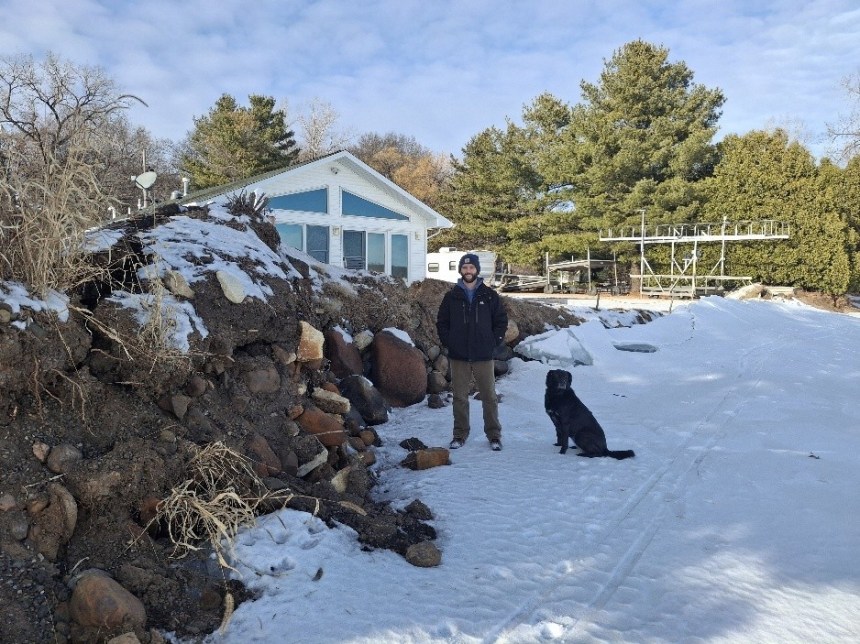
- Wed., March 19 (9am – noon) Shoreline Contractor Workshop at the Scandia Community Center. (Free) Coffee and breakfast included. Learn how to manage ice ridges in the spring, without impacting the stability of shorelines or damaging sensitive habitat. Register at tinyurl.com/2025lakeshore.
Eco-friendly gardening
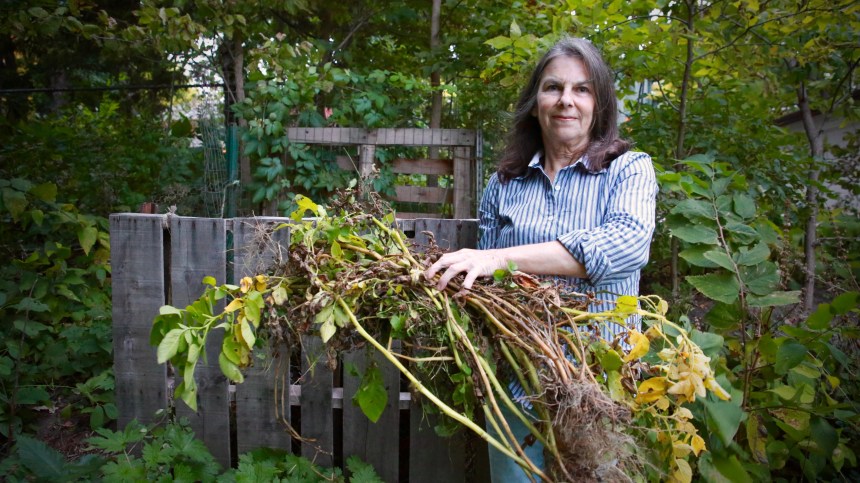
- Mon., March 10 (6-7:30pm) Backyard Composting at Bayport Library. (Free) Learn how to build and successfully maintain a compost pile, as well as how to use the compost in your yard and garden. Taught by Kim Dupre, Washington County Master Gardener. Register here.
- Thu., March 20 (6-7:30pm): Bring Nature Home by Losing Some Lawn. (Free) Lawns are America’s No. 1 irrigated crop, and we spend billions each year on their upkeep. Our love of lawns impacts water quality, our drinking water supplies, biodiversity, and our environment. Learn how converting lawns to sustainable alternatives can be a win-win for people and the environment. Taught by Ramsey-Washington Metro Watershed District. Register here.
- Mon., March 24 (6-7:30pm): Prairie 101 at Bayport Library. (Free) This class provides do-it-yourself instruction for anyone interested in creating a prairie. Taught by Paul Spilseth, Washington County Master Gardener. Register here.
- Mon., March 24 (6:30-7:30pm): Native plants for hills and slopes at Chisago Lakes High School. ($10) Taught by Adam Hjelm, Comfort Lake – Forest Lake Watershed District Register here.

Chisago County Master Gardener Expo
- Sat., March 22 (9am-3pm) at Chisago Lakes High School. ($15) Register and select classes. This always-popular annual event includes three break-out sessions and a keynote speaker. Learn about gardening topics from growing tomatoes to composting, shade gardening, and even hydroponics. A few sessions recommended by our East Metro Water education team include:
- Shoreline planting for water quality (9-10am) taught by Casey Thiel, Chisago SWCD
- Composting (9-10am) taught by Mark Stuart, Chisago County Master Gardener
- Water Wisely (12:20-1:20pm) taught by Greg Haas, Chisago County Master Gardener
- Attracting dragonflies to your garden (12:20-1:20pm) taught by Cathy Perkins, Chisago County Master Gardener
- Many MN Milkweeds (12:20-1:20pm) taught by Adam Hjelm, CLFLWD
- Landscaping your septic system (1:40-2:40pm) taught by Adam Hjelm, CLFLWD

 East Metro Water